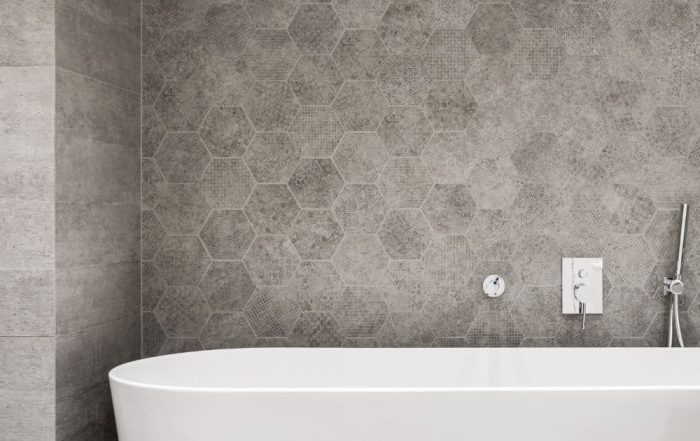
Kitchen and splashback tiling

Professional kitchen floor and splashback tile laying for home renovations, custom architectural designs, and commercial spaces

A great splashback does more than protect your walls — it adds personality, texture, and style to your space. At Greenstone Tiling, we expertly install splashbacks that make kitchens, bars, and workspaces look and feel complete. Whether it’s a bold mosaic in a family kitchen, a sleek glass finish in a commercial café, or tiles selected for a new architectural build, our team ensures every splashback is laid with precision for a finish that’s as practical as it is beautiful.
Get in touch

If you have a question or would like a custom quote, please fill out the form below or give us a call.

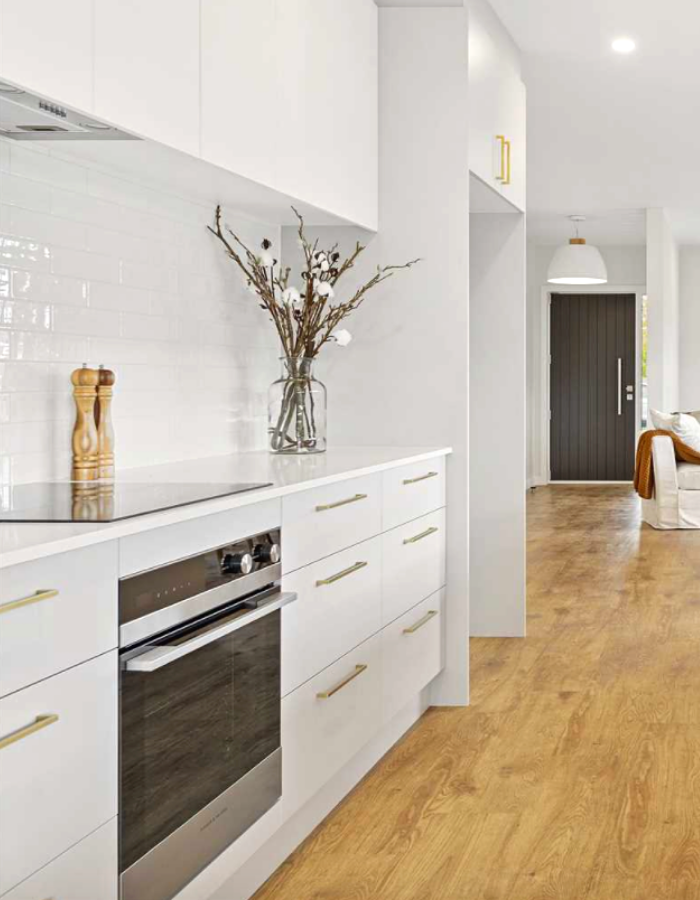
    Kitchen splashback with white tiles

    OUR PROCESS

    Your project, managed from start to finish by expert tilers

    • Initial consultation – We visit your space, discuss your goals, measure the area, and provide a detailed, transparent quote.

    • Tile and material selection – Choose from a wide range of tiles with our expert guidance on style, durability, and maintenance.

    • Surface preparation – We level and waterproof your surface to create a solid, long-lasting foundation for installation.

    • Professional installation – Our skilled Christchurch tilers lay and align every tile with precision, using high-quality adhesives and proper spacing techniques.

    • Finishing and final inspection – We grout, seal, clean, and check every detail to ensure the highest standard of workmanship.

    Our trusted partners and suppliers

    Why work with Greenstone Tiling

    Tiling is more than just laying tiles — it’s about creating a surface that looks incredible and stands the test of time. With years of experience across residential, commercial, and architectural projects, we know how to deliver a result that’s both beautiful and built to last.

    Get in touch with our team

    Tell us about your tiling project and we will help you bring it to life

    Frequently asked questions

    When purchasing tiles you will need to allow 10% for wastage for all tiles and 15% for stone tiles . It is also good to have extra spare tiles for repairs as the same tile may not be available later on.

    We recommend using Epoxy grout which is renowned for high strength and chemical resistance, making it a versatile solution for a wide range of specialist applications. Unlike other grouts where regular cleaning is necessary, the non-porous nature of epoxy resin does not allow dirt, grime or moisture to penetrate grout joints.

    There are several different types of tiles that range wildly regarding their materials, look, and durability. While speciality types exists, you should be familiar with the most common types:

    • Porcelain
    • Ceramic
    • Limestone
    • Marble
    • Slate
    • Granite

    While these tend to vary in popularity, these primary types (or some variation of them) are most likely what you’ll end up picking from any tile store.

    Despite the fact that ceramic and porcelain tiles look very similar, there are plenty of noticeable differences between the two. For one, porcelain tiles are known to be denser and less porous than ceramic tiles. Basically, porcelain tiles are better for both indoor and outdoor use, as well as hard wearing.

    Although ceramic tiles are highly recommended for interior floors and walls, porcelain tiles are more preferable, especially for places that must endure heavy traffic– this includes hallways, kitchen floors, and commercial applications. Porcelain tiles are highly resistant against chipping and scratching.

    You certainly can do so, but only under certain conditions. First, you need to be absolutely sure that the tile base is strong enough to withstand hard use. Second, inspection of the existing tiles is very important to make sure that they are adhering well to the substrate. Tiles that adhere well do not sound hollow or drummy when tapped. And last, special tile adhesives need to be used when tiling over different tile finishes.

    There is no standard for grout joints. When it comes to stone and tiles for walls or flooring, a proper grout joint is an important part of the specification. While many architects and designers like the idea of a thinner grout joint for aesthetic and maintenance purposes, it’s important to understand why a thicker grout joint may be better.

    BENEFITS OF A PROPER GROUT JOINT:

    1. Reduce the likelihood that tiles will chip if/when the subfloor moves.
    2. Minimize the appearance of inconsistencies in tile.
    3. Minimize the likelihood that the tile pattern will be thrown off upon installation.